
For the last 68 years, video games have taken the world by storm. From elementary school students to members of the workforce, video games have become a common hobby that continues to grow in popularity. While gaming can serve as entertainment and stress relief, the question remains. Do video games have a positive or negative influence?
The potential downsides of gaming
While video games can be enjoyable, enjoying too much can come with its downsides. Video games are designed to be engaging for long periods of time, and some students find it difficult to balance gaming with schoolwork, responsibilities, and other hobbies. Dopamine, a chemical in the brain linked to pleasure and motivation, is constantly being produced when playing video games. Over time, this repeated stimulation can make the brain less responsive to normal rewards, causing students to feel less motivated or dissatisfied without the instant gratification that video games give.
Some students feel that video games offer more harm than benefits, especially when they begin to interfere with personal growth. Sophomore Paul Rosales shared that his experience with gaming eventually became more negative over time.
“Throughout the time I had been playing video games I had a more negative experience due to the fact that video games are very addicting and many people see it as not a big problem,” said Rosales. “During COVID-19 especially, I played many video games, and though it was fun, it took away a lot of time I could have used to pick up something useful for the real world.”
Rosales explained that no longer playing video games allowed him to focus on music, his true passion. Something he believes would not have been possible if he continued playing as often as he did. While he acknowledges that some games can be educational, he still believes the negatives often outweigh the positives.
“I believe the good depends on the type of video game,” said Paul Rosales. “Sports video games like MLB The Show can help you learn more about the sport, but overall, I think the negatives outweigh the positives.”
Why some students see benefits
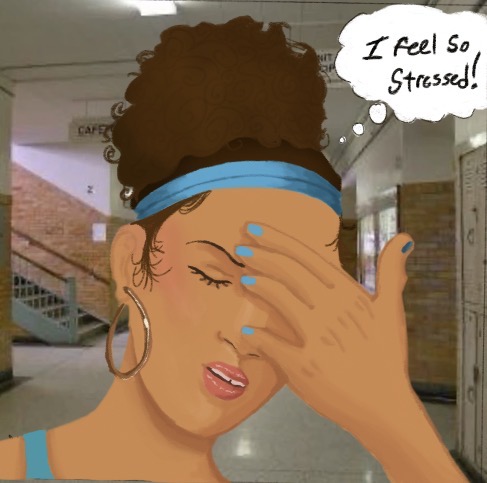
On the other hand, many students argue that video games can be a healthy and positive way to pass the time when played in moderation. For many students, gaming is a way to relax and unwind after a stressful school day.
Sophomore Ethan Rodriguez shared that his experience with video games has been mostly positive and manageable.
“I play probably about three to four hours a week,” said Rodriguez. “I play to relax and pass time in a fun way.”
Rodriguez believes that the negative parts of gaming are usually exaggerated and that responsible habits make a big difference.
“I do feel the positives outweigh the negatives,” said Rodriguez. “With parameters like a weekly timer, video games can be a healthy hobby. A lot of the negatives people talk about can be avoided with good habits.”
He also said that many of the issues around gaming as a whole are usually ones that come from competitive multiplayer games, which he rarely engages in.
A teacher’s perspective
Teachers also recognize that video games affect individuals differently. Social Studies teacher Daniel Bellear believes gaming can be positive, depending on how and why someone plays.
“Yes, I play video games about three to four times per week,” said Bellear. “I play with my brother who moved out of state, so it’s one of the best ways we can spend time together.”
While he admits games can be frustrating at times, he emphasized that they are generally meant to be enjoyable.
“For the most part, games are meant to be positive experiences,” said Bellear. “I feel that it depends on the individual and their goals. People who play casually might have a more positive experience than those who play competitively.”
Finding balance
Overall, the influence of video games depends on how they are used. While excessive gaming can lead to addiction and overstimulation, moderate and mindful gaming can actually provide relaxation, stress relief, and even learning opportunities. As video games become more addictive over time, finding balance remains to be key in making sure individuals are benefiting from a positive influence rather than a negative one.