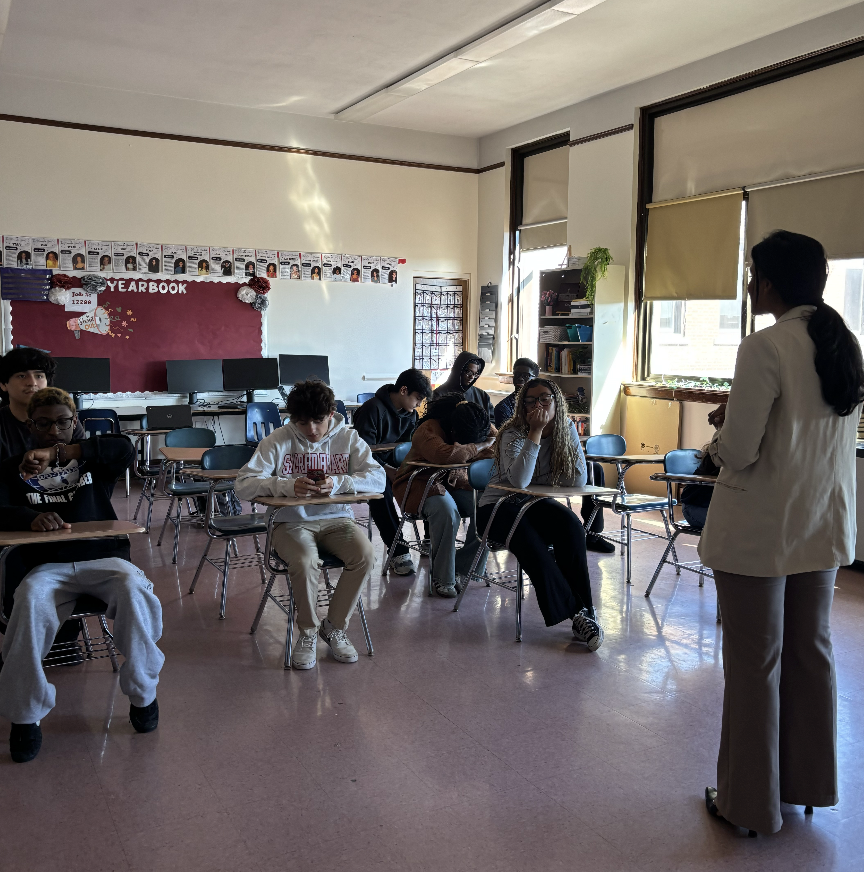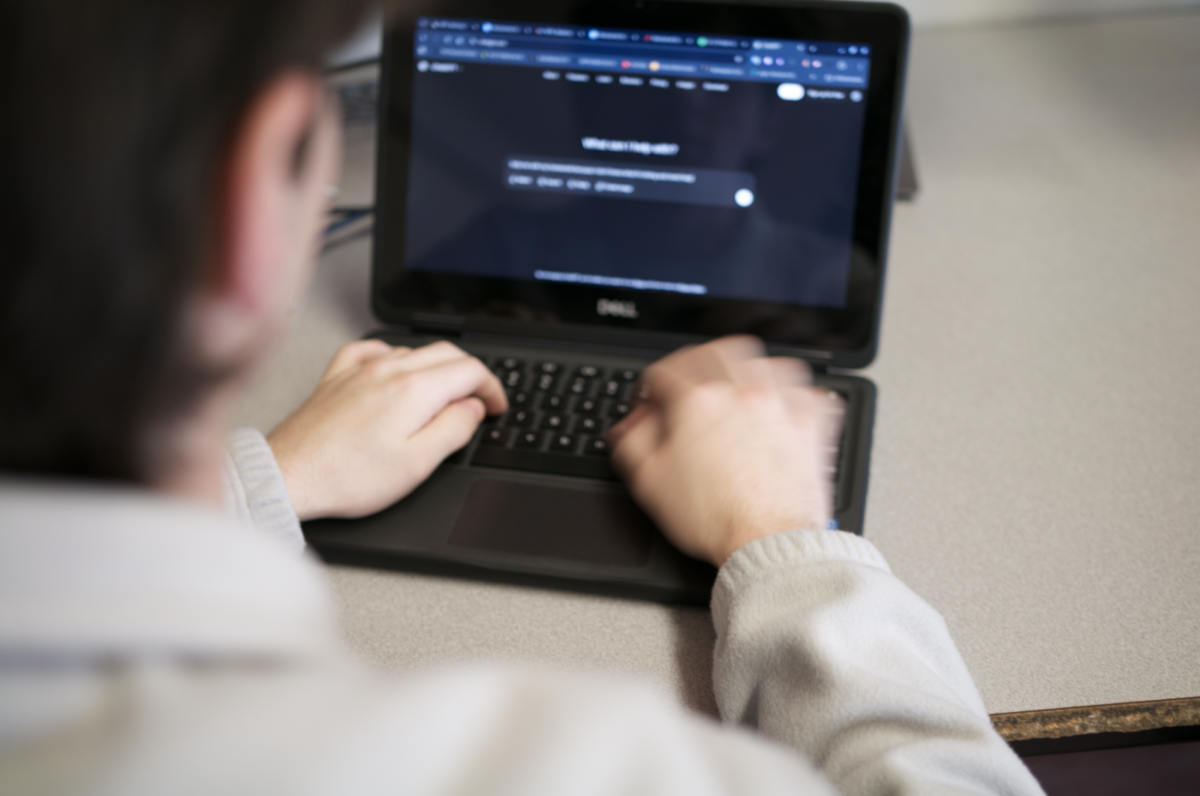
As a senior in high school, I understand why schools and New York State put a limit on phone use during the school day. Phones can absolutely be distracting. I have seen students watching videos, texting, and paying more attention to notifications than their teachers, so there is no question that phones can take attention away from learning when they are abused. However, I also believe having no phones may be unnecessary if students are doing their work, staying focused, and maintaining good grades. The state mandate requiring the complete restriction on phones feels like a punishment for every student because of the actions of some.
For seniors especially, it feels strange to suddenly lose a level of independence we have spent years earning. We are preparing for college and going into the real world where no one will constantly monitor whether we have our phones. Learning how to manage distractions ourselves is an important skill that schools should help us develop instead of removing the temptation completely.
“Having no phone definitely makes school feel longer,” said Senior Devin Ebert. “It is more strict, but students focus better with no distractions.”
The effects of the mandate go beyond just inconvenience. Phones are not only used for entertainment, many students use them to communicate with parents and check their after school responsibilities. In case of an emergency, how are students supposed to contact their loved ones? Taking phones away ignores the fact that they can also be useful.
“I feel that some of the freedom of senior year has been taken away from me,” said Senior Cody Capone. “We as students have earned the right to look at our phones in the hallways or be able to sit in an off period scrolling away. It’s also made us and our parents worry about having nobody to call in a lockdown or case of emergency because we will not have our phones on us.”
At the same time, I understand the other side of the argument. Teachers don’t like having to compete with TikTok videos and messages for students’ attention. With students being distracted, it makes it much harder to manage a classroom. Not only is this bad for the adults, but students don’t realize that their test and participation scores can suffer from not paying attention to the material. Schools want students to succeed not just academically, but also socially.
“I feel that phone privileges being taken away has been good for the whole school and helping students pay more attention in class,” said Senior Drew Zeller. “The biggest inconvenience for me is when I need to communicate with my friends about lunch or practice.”
This law treats all students the same regardless of their performance or behavior. Students who complete their work and earn strong grades have already shown they can balance school work with phone access. Instead of banning phones for everyone, the state could allow teachers or administrators to address the students who are actually causing problems.
As a senior and as someone who hopes to become a teacher in the future, I believe schools should focus more on preparing us for real life. Phones are part of the world we live in, and learning how to use them responsibly is a lesson just as important as anything taught in the classroom.