Have you ever been hanging out with friends, and instead of talking, everyone is just on their phones in silence? Teenagers and young adults struggle with face to face conversations, often choosing texting or social media instead. While technology makes it easier to stay connected, it also reduces the need to practice real social skills. It’s clear that as technology becomes a bigger part of our lives, people are slowly becoming more socially awkward.
This shift has become more obvious in recent years, especially after the COVID-19 pandemic, when people spent long periods isolated at home. Senior Branden Mandaro experienced Covid-19 as a 6th grader and said it impacted him drastically.
“I think it mainly has to do with the strict COVID regulations imposed on schools and children since they were forced to quarantine and learn virtually rather than interacting face to face with peers. I remember I didn’t see my friends in person for almost a year and a half,” said Mandaro.
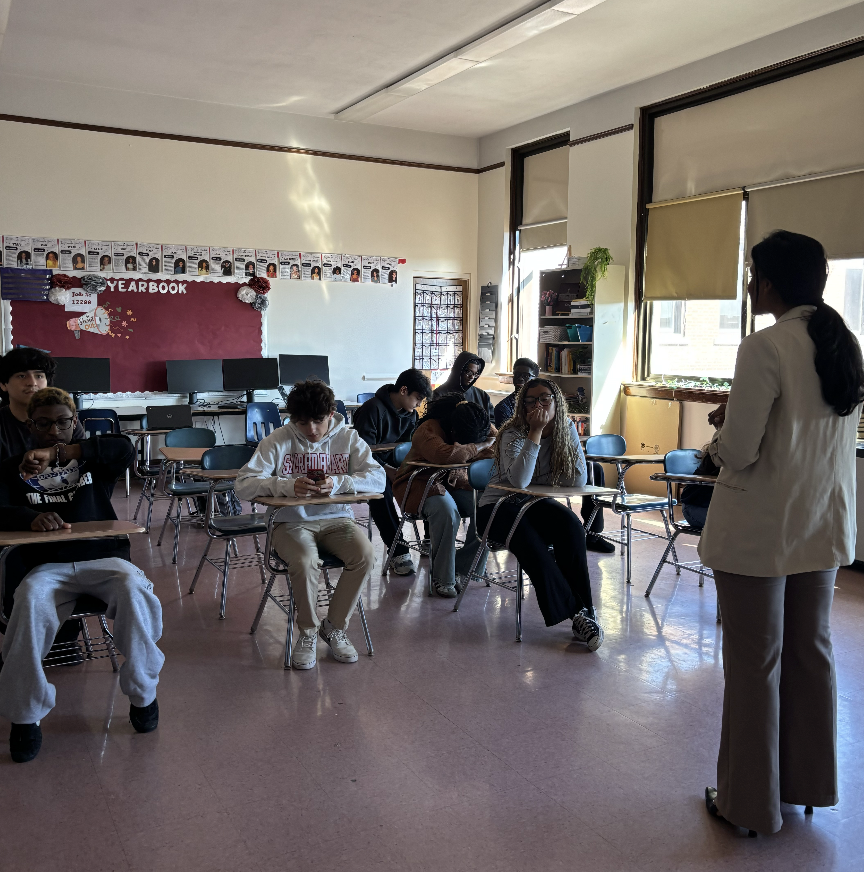
Psychology teacher Ms. Neems teaches social psychology and has seen social interactions change between students in real time.
“Interactions now are shorter and less personal. It’s more text messages, DM’s and social media. I think this has also resulted in a decline in the ability for people to ‘read’ other people,” said Neems. “We used to rely on facial expressions and body language, but now it’s more of what emoji did someone include with a text.”
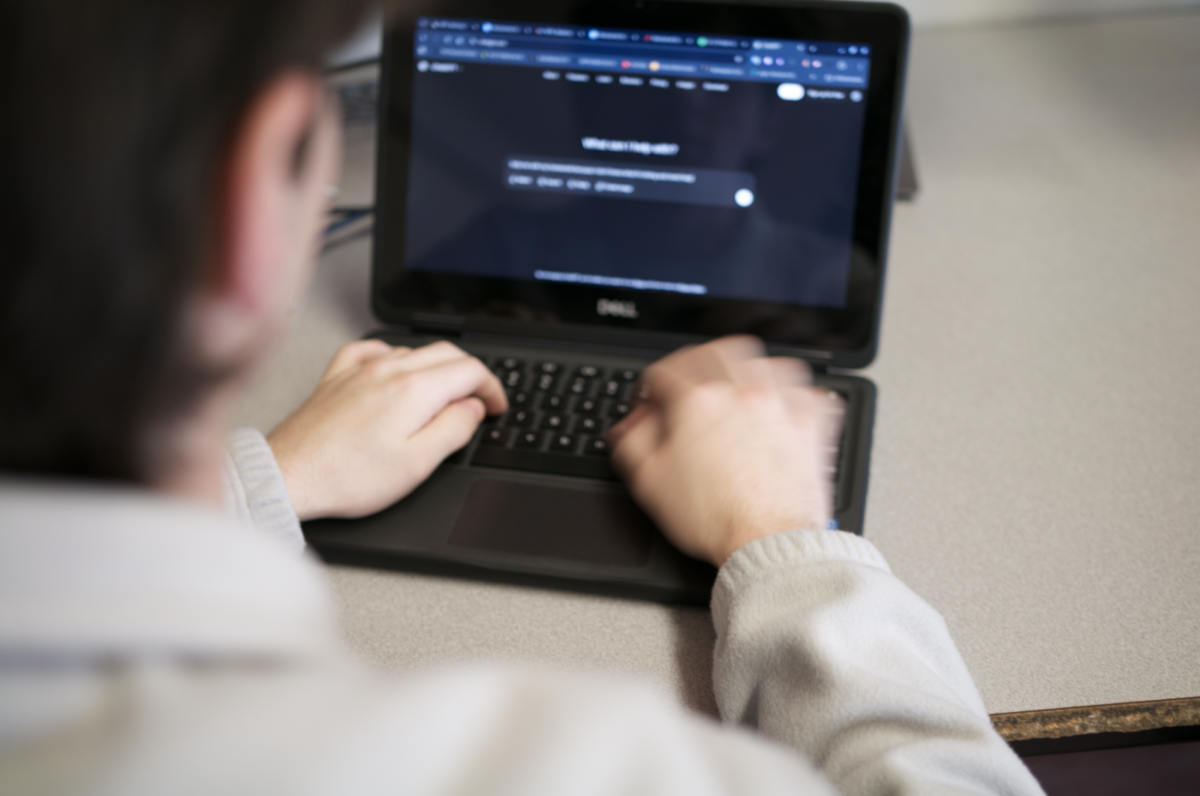
The technology used to call or make a quick text has developed as a primary source to contact others and because of this, they can’t express themselves how someone usually should in person.
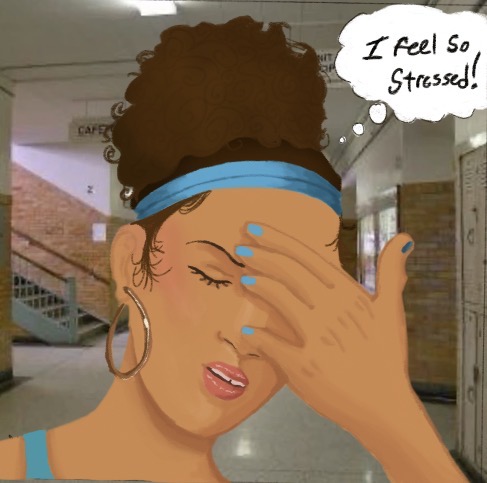
People are also becoming more socially awkward because of fear of judgement, and since they have less opportunities to socialize, this adds to their anxiety.
“Social skills are like a muscle—if you don’t use them, they weaken,” said Neems. “Less face-to-face interaction with some people being able to work remotely, phones and social media, even self checkout counters at the grocery store! This has also resulted in increased social anxiety for many.”
Senior Vanessa Simonetti has not only seen how fear plays a role in social awkwardness at her part-time job, but in our own school as well.
“People don’t speak their minds as much because they are scared of what others are going to think of them. People put on a fake persona to try and satisfy others they are around,” said Simonetti.
In a world where screens increasingly replace real conversations and genuine human connection becomes less common, the growing discomfort many people feel during face to face interactions reflects a deeper shift in how we relate to one another, showing that rebuilding confidence in real life communication and strengthening everyday social skills will likely become one of the most important challenges this generation must confront as technology continues to shape the way we connect.