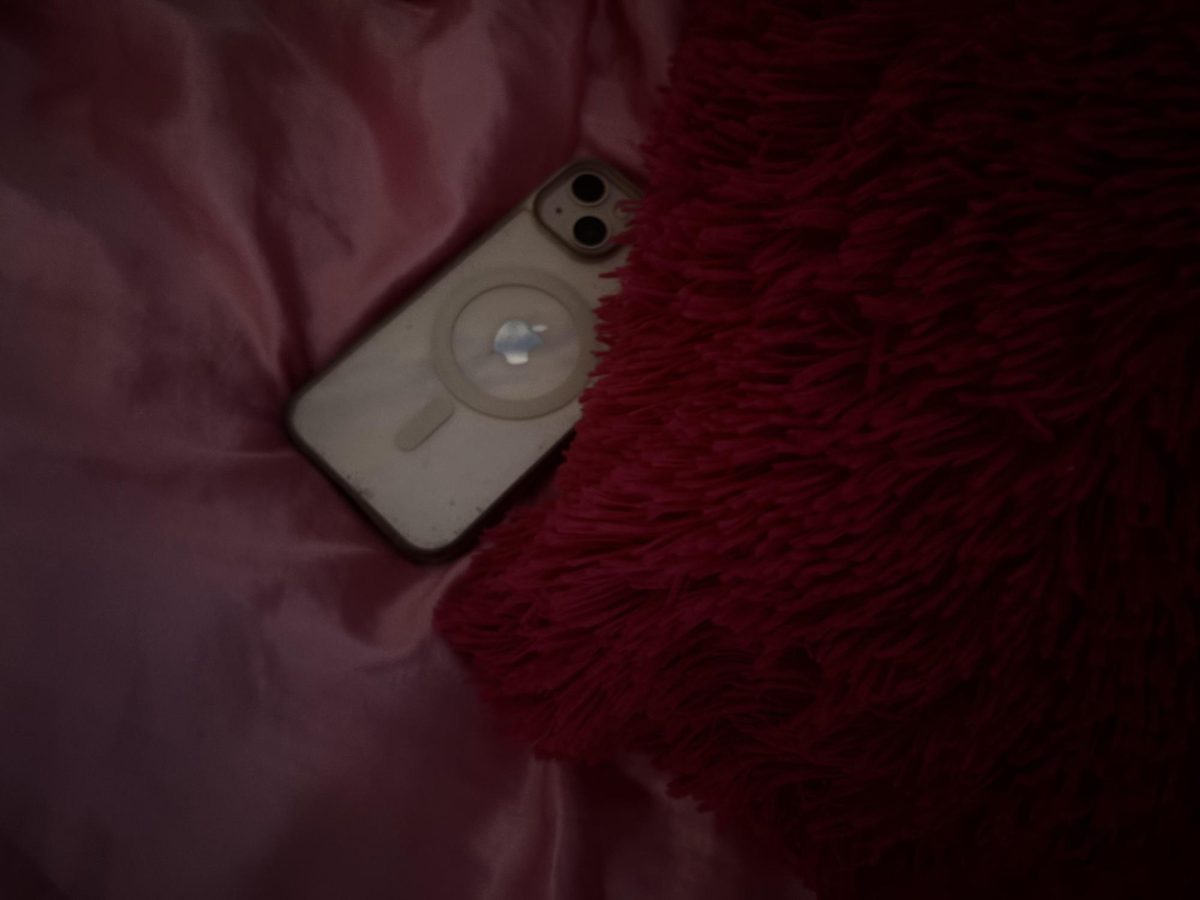
In recent years, social media has become an even more influential part of the daily lives of teenagers and young adults. Yes, these different applications give us opportunities for communication and entertainment, but it is no question that the use of social media has a strong connection to sleep deprivation. People spend a lot of time online at night and in doing so, sleep and overall wellbeing are increasingly impacted for the worse.
Staying up because of social media
According to the American Academy of Sleep Medicine, “93% of Gen Z admit to staying up past their bedtime due to social media.” Attachment to their phones causes people to lose out on the sleep they need to excel in school and in other activities. Social media users have a tendency to fall asleep later and wake up earlier. This leads to fewer hours of sleep and significant rest.
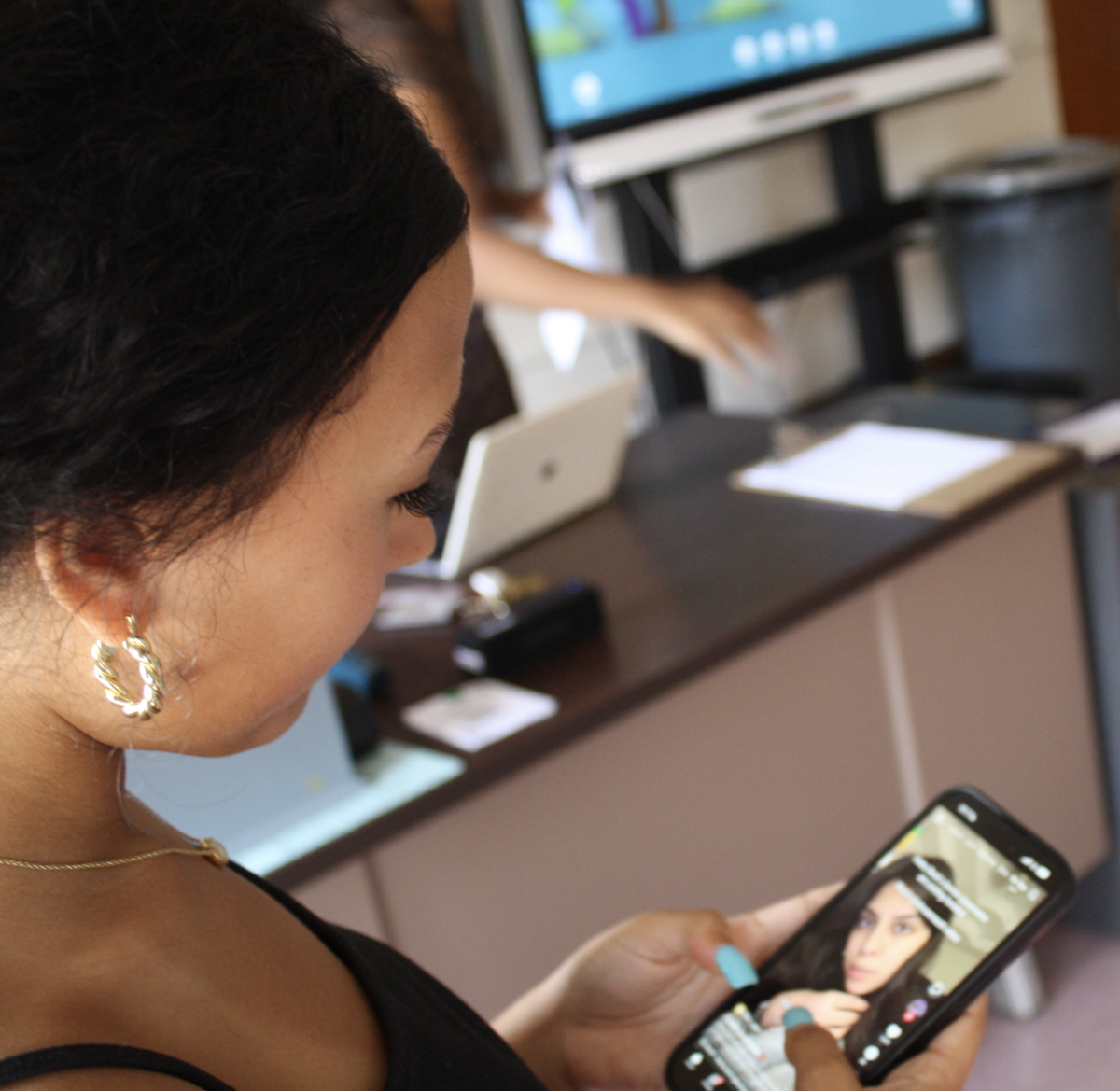
“I definitely scroll on my phone before bed. I always tell myself I’m only going to be on it for a few minutes, but then I end up on TikTok or Instagram way longer than I meant to,” said senior Emily Ehlers. “I’ve noticed that when I do that, I fall asleep way later than I should, and I’m usually more tired the next morning. I’m trying to get better about putting my phone down earlier, but it’s definitely a habit that’s hard to break.”
There are many key factors that explain why social media interferes with healthy sleep. The most simple one is that hours spent scrolling late at night reduce the amount of time you get to sleep, but the pressure to respond to messages, keep up with friends, or compare yourself to people you see online daily can also play a role in sleep deprivation as it increases stress levels and make winding down for bed so much more difficult. Using electronics at night is so much worse than during the day, simply because getting good sleep is so important and staying up on social media is leading people to do the exact opposite.
The impact of sleep deprivation on academic performance
Teens who feel pressured to stay socially connected online have very high levels of daytime sleepiness, especially teens who use their phones exactly before bed. Nowadays, parents give their younger children, sometimes starting around ages 3 or 4, tablets or different electronics to calm down during the day and at night time. This is extremely concerning taking into account that these addictions and sleep issues may start during early adolescence.
Children and teenagers are not the only groups impacted by using their phones at night, adults also face this same issue. According to the Sleep Foundation, “U.S adults spend 3.5 hours on social media before bed each day, adults who use social media before bed sleep at least two minutes more than average each night.”
“When I scroll before bed I do get sleepy, but I am constantly tossing and turning or waking up in the middle of the night,” said Social Studies teacher Terence Foley.
There are so many negative consequences to not getting rest. The human body needs sleep and when that isn’t provided, there is loss in academic motivation and motivation just in general. When the body isn’t functioning properly, neither is the mind, so this tiredness may also cause anxiety and depression.
Choosing sleep over social media
Despite how addicting social media can be, there is always another option. You can limit screen time or fix your sleep schedule. Every social media platform’s goal is to have their users scrolling for long periods of time. If you catch yourself losing sleep from scrolling online, try your best to fix it. Not all students scroll before bed, and those who make the choice to prioritize sleep have more energy and motivation during the day.
The National Library of Medicine claims that, “Specifically, those in the low sleep disturbance group were more likely to rarely check social media (49.6%) than to check it sometimes (22.3%) or often (28.1%).” This means that people who do not check social media before bed get better sleep than those who stay up and fall asleep after or while scrolling.
“I do not scroll on my phone before bed,” said senior Diana Balsamo. “I go to sleep after showering from dance and that is around the same time everyday. I mostly always get a pretty good night’s sleep.”
Although social media is powerful for connection and creativity, it brings a lot of risk to sleep health. It is extremely important for people around the world to start understanding this connection and build healthier habits.