
Popularity is seen as one of the biggest parts of a lot of high schoolers’ lives. It influences friendships, social status, and more importantly, how students see themselves. Yes, being popular might seem empowering, but the pressure of wanting to be popular can have a huge effect on students.
In high school, popularity is usually associated with visibility and how people know and like you. “Popular” students are known by lots of people and participate in sports or clubs. Popularity feels like a measure of worth, but one’s worth should be rooted in their personality and kindness.
Wanting to feel seen and recognized by peers can cause students to compare themselves to others, leading to insecurity or the feeling that they are not good enough.
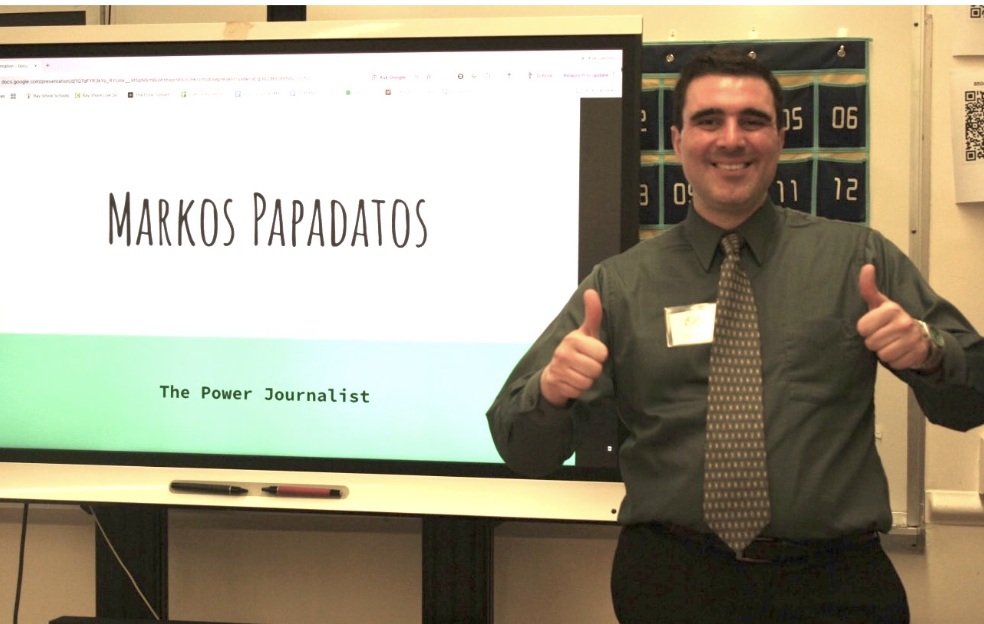
“Looking back, I definitely was trying to impress people to gain popularity. However, I now recognize that I should have done whatever made me happy and not the people around me,” said math teacher William Eggert. “Five years after a kid leaves high school, they are in contact with probably five people from high school. Our lives grow and we grow apart, so why are we trying to impress people we will only know a small fraction of our lives?”
Many students feel pressure to change their personalities, behaviors, interests, or the way they look in order to be accepted. Some kids avoid activities they like to do or stay quiet about their opinions out of fear of being judged and losing social rank. This pressure can prevent students from being themselves and can make school feel stressful.
Popular students also face challenges. They may feel expected to maintain a certain image or social status, which can be extremely exhausting.
“I have definitely seen people start to act different throughout high school,” said senior Roslyn Duran. “Some people are influenced by who they hang out with and which friend groups they want to be a part of, which causes them to change in a negative way.”
Students seem to believe that popularity means success and this belief can distract from academics and meaningful friendships. It could also impact students’ mental and emotional health. Feeling ignored or left out can lead to lower self-esteem and increased stress.
“So many people I know act differently than they normally would to fit in,” said freshman Riley Knapp. “Some people that I used to call my best friends started not to talk to me just because they wanted to be popular and it definitely is hurtful.”
High school does not have to and should not revolve around popularity. Supportive and genuine friendships, kindness, and respect for others are more important than social status. When students focus on being nice and being the best versions of themselves, the school community will be comforting and easier to enjoy.
Popularity may seem like the most important thing in life, but it should never determine a student’s value. Every student deserves to feel respected and should never feel less than because of a rank.